

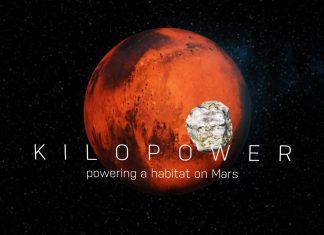

NASA’s Kilopower reactor to give Mars misson a nuclear boost
The United States tested nuclear reactor systems in order to sustain astronauts on Mars and a long duration NASA human mission on the inhospitable...
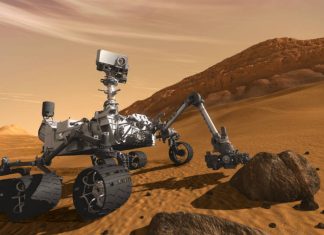
A teenager becomes part of NASA’s Mars landing team
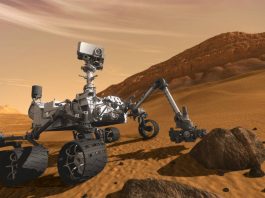
U.S. – A new Mars Rover project from NASA is going to launch by the end of 2020, and a teenager’s proposal is likely...
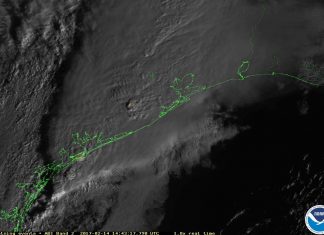
NOAA’s GOES-16 Lighting Mapper sends back first images
The National Oceanic and Atmospheric Association (NOAA) has released the first images from the Geostationary Lightning Mapper (GLM) instrument on the agency’s Geostationary Environmental...
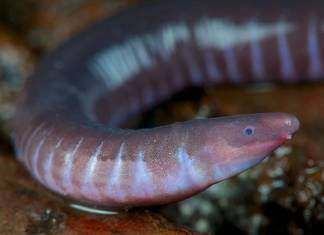
Neither Worm Nor Snake, Caecilians Have Mouths That Can Deliver Venomous...
A study published by researchers in the journal iScience has revealed that caecilians have mouths that can deliver venomous bites. Caecilians are neither worms...
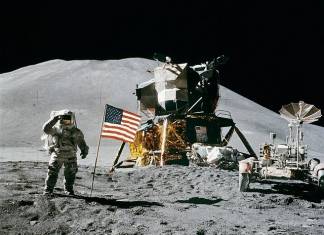
NASA Announces the Names of 18 Astronauts for Artemis Mission
NASA has shortlisted 18 astronauts that might make it to the moon on its Artemis mission. The list is a surprising mix of astronauts...

Scientists create fake news ‘vaccine’ against misinformation
A group of scientists from Cambridge, Yale, and George Mason University has developed a ‘vaccine’ to combat fake news. Results of their study show...
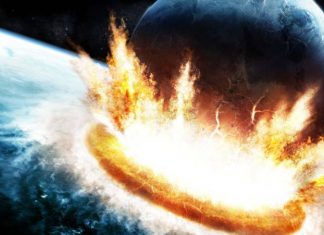
The Moon will crash into Earth, but it’s OK, scientists say
A recent discovery by scientists at the University of Idaho predicts that the Moon will crash into Earth in a collision brought by a...
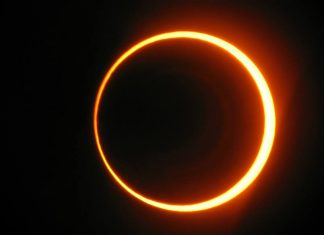
NASA: Get ready for the August 21 total solar eclipse
On Thursday, NASA’s Solar Dynamics Observatory (SDO) captured the partial solar eclipse that was visible in the United States that afternoon. Millions of people...
2017 Solar Eclipse Glasses Buying Guide
Over the weekend, Amazon sent notices to customers who bought solar eclipse glasses and viewers from fraudulent manufacturers who didn’t meet safety standards. The...
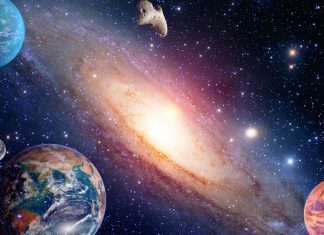
Researches reveal the most advanced map of the Milky Way yet
Australian and German scientist produced a new, detailed map of the Milky Way, dubbed H14P1. The researchers used two of the world’s largest telescopes...